


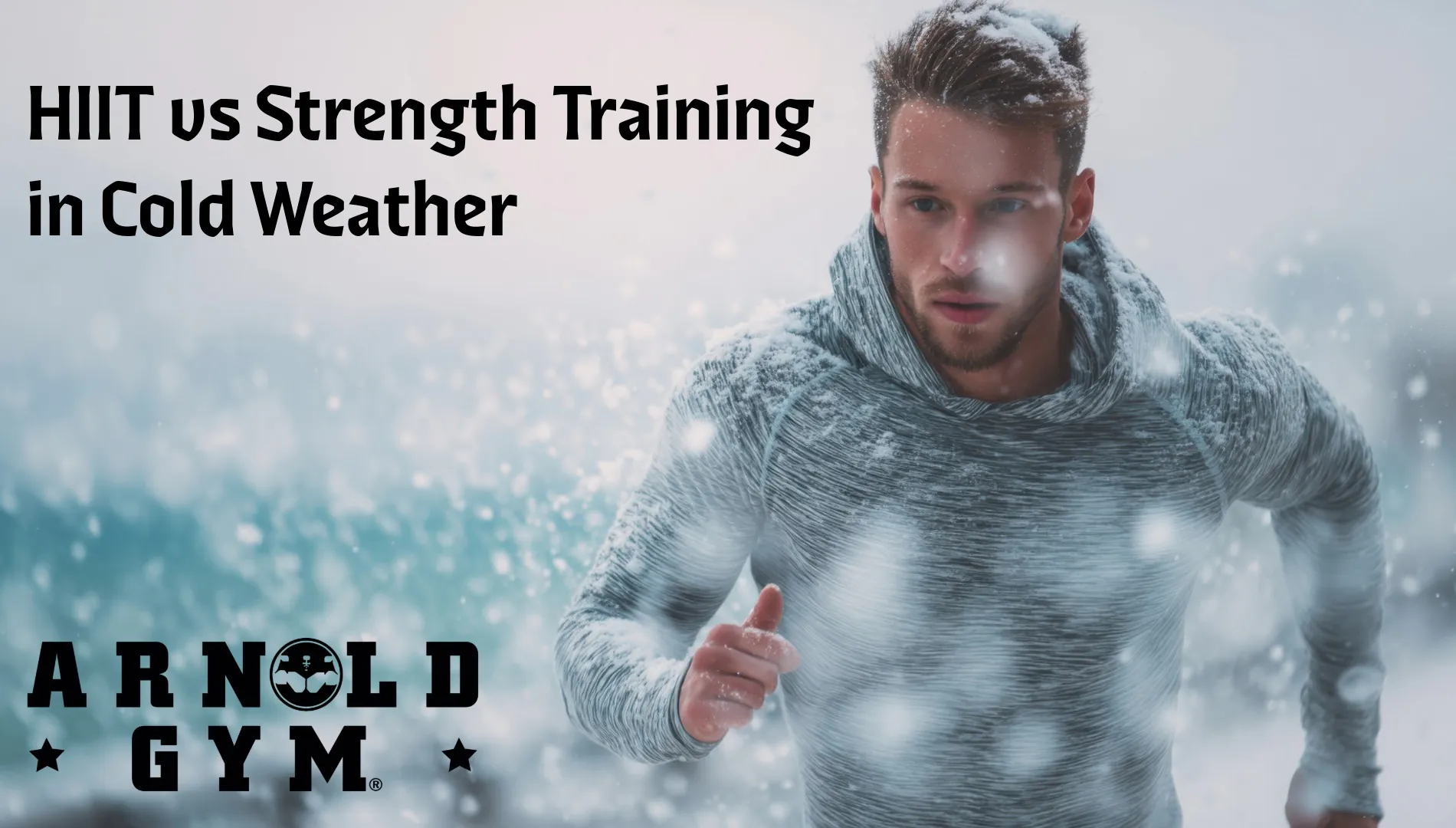
Cold weather changes the way your body responds to exercise, affecting muscle elasticity, oxygen efficiency and heat regulation. This makes choosing the right Winter Gym Clothes, planning intelligent warm-ups and selecting the right training style essential for both performance and safety. Whether you’re pushing through intense intervals or focusing on heavy lifts, the right clothing and strategy determine how well you perform. In this guide, we compare HIIT and strength training in cold conditions and present the ultimate Winter Gym Style blueprint to help you train smarter.
HIIT Training in Cold Weather — Physiology, Benefits & Clothing Strategy
HIIT is naturally well-suited for cold conditions because of its rapid heat production and elevated metabolic rate. However, sweat management becomes critical: when sweat cools too quickly, body temperature drops faster than expected.
Why HIIT Works Well in Cold Weather
- High heart rate = rapid internal heat generation
- Short intervals reduce prolonged cold exposure
- Faster core warming compared to low-intensity workouts
- Ideal for cold gyms or outdoor sessions
Potential Risks
- Excess sweat cooling during rest periods
- Overheating if overdressed
- Rapid temperature shifts post-workout
What to Wear for HIIT in Cold Weather
HIIT requires breathability, flexibility, and partial coverage that prevents overheating. Too many layers restrict movement; too few layers cause chills during rest periods.
Best Upper-Body Layer for HIIT
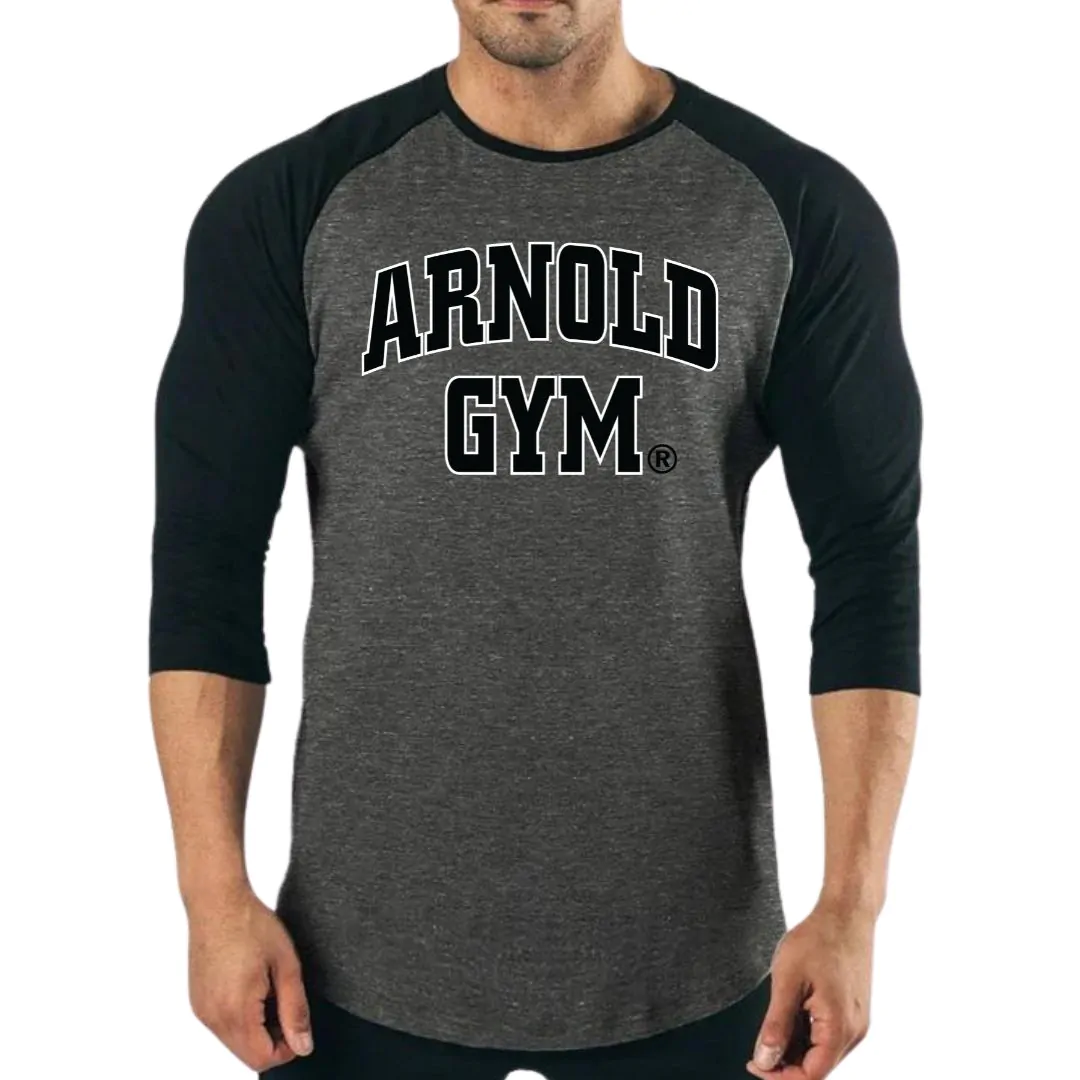
Choose tops that offer elbow coverage without trapping too much heat. This is where 3/4-length designs excel — the balance between warmth and ventilation is ideal.
Recommended:
HIIT winter training clothes These 3/4 sleeve performance tees prevent overheating, allow full mobility and provide the perfect amount of winter-ready coverage.
Strength Training in Cold Weather — Performance Demands & Clothing Strategy
Strength training responds very differently to cold temperatures. Because heavy lifting produces less metabolic heat than HIIT, your muscles feel colder, stiffer and more vulnerable to strain. This makes layering and extended warm-ups essential.
Physiological Challenges
- Lower tendon elasticity
- Reduced neuromuscular firing speed
- Delayed muscle activation
- Increased stiffness in hips, shoulders and hamstrings
Warm-Up Priority
Strength training in cold weather demands progressive warm-ups:
- 5–7 minutes dynamic mobility
- Light activation sets
- Gradual weight increase
This reduces risk of injury and prepares joints for heavier loads.
What to Wear for Strength Training in Cold Conditions
Creating an effective Winter Gym Style depends on choosing Training Clothes that deliver the right blend of insulation and breathability. Smart layering helps regulate body temperature during warm-ups and intense sets, while technical fabrics keep moisture under control. The right Winter Gym Clothes allow full mobility, prevent heat loss and support consistent performance in cold conditions.
Recommended Upper-body Layer:
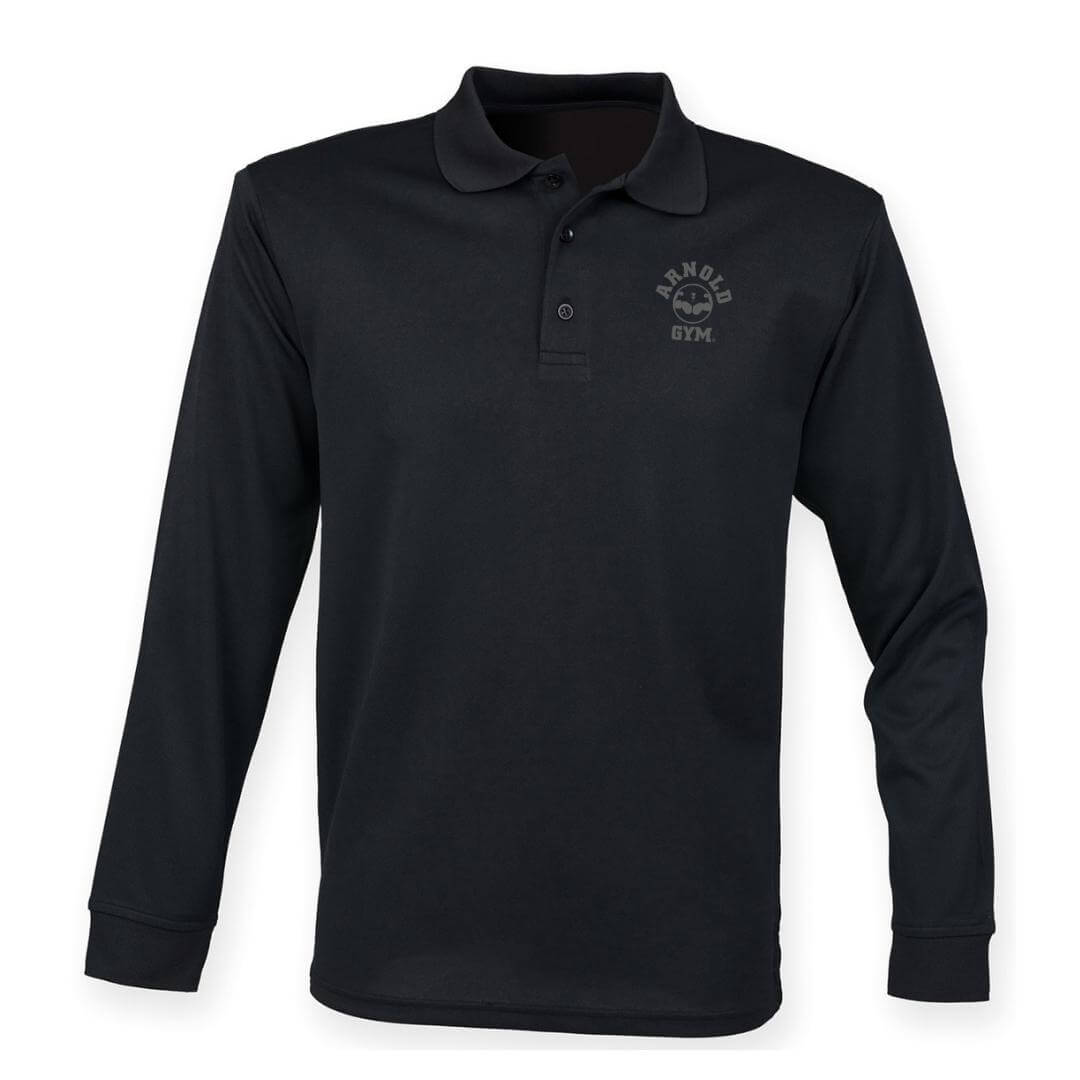
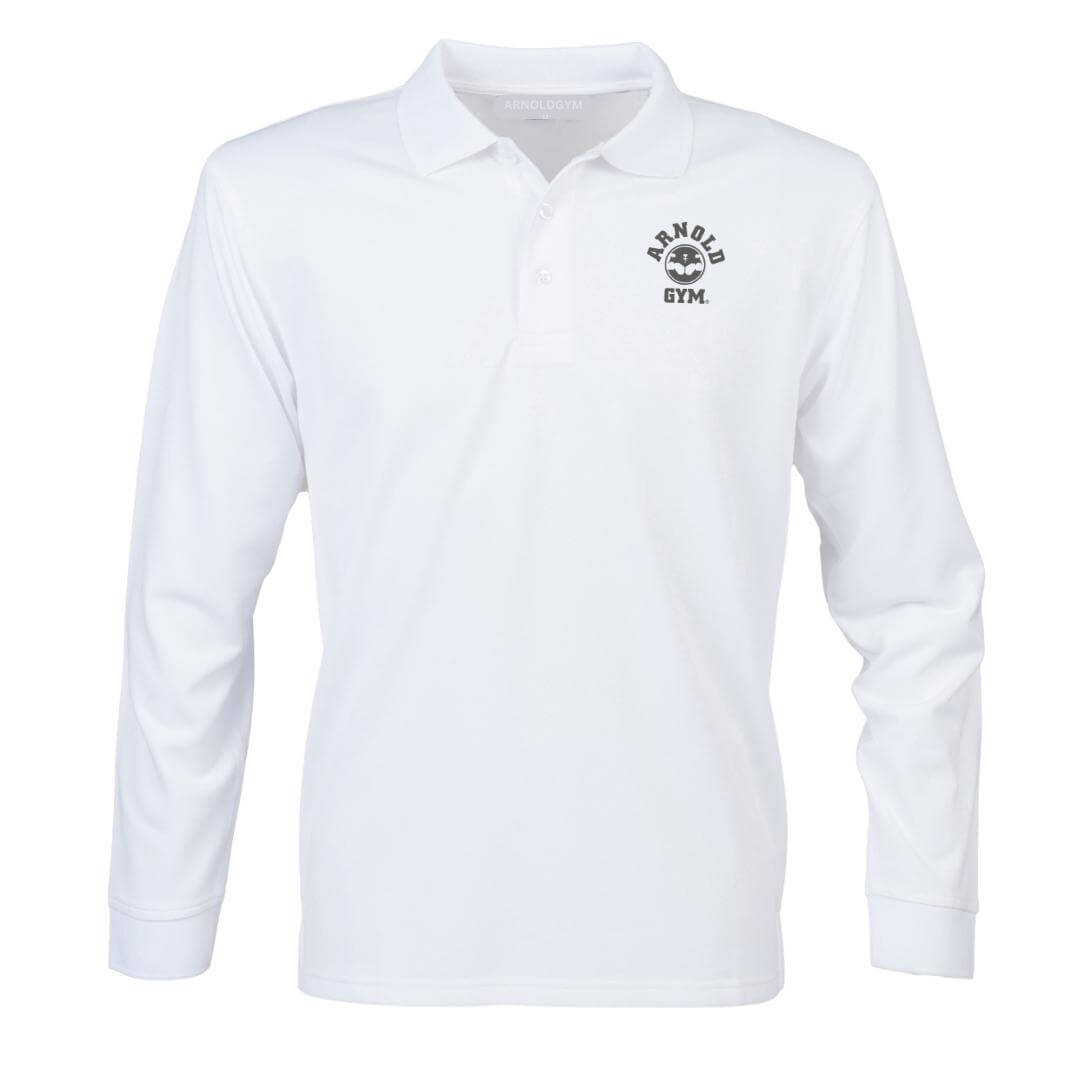
strength training winter outfits Performance long-sleeve polos provide warmth, breathability and mobility — ideal for heavy lifts in cold conditions.

Recommended Lower-body Layer:
winter training joggers Flexible, warm and movement-friendly joggers that protect quads and hamstrings — essential for cold-weather lifting.
Winter Gym Style Guide — Layering, Fabrics & Functional Outfits
Strength training in winter demands Training Clothes that maintain warmth without restricting movement. Long sleeves are essential for preserving blood flow and reducing stiffness during controlled repetitions. Choosing the right Winter Gym Clothes, including flexible joggers and thermal-friendly tops, protects muscles, improves stability and ensures you can lift safely and efficiently in cold environments.
1. Base Layer
A moisture-wicking base layer is essential for cold-weather training because it prevents sweat from cooling your body. The right Training Clothes help regulate temperature, keeping your core warm during both HIIT and strength sessions. Avoid cotton and choose technical fabrics designed for winter performance.
2. Mid-Layer
A mid-layer adds controlled warmth without limiting mobility, making it ideal for warm-ups, cooldowns and walking to the gym. This layer traps heat while allowing breathability, helping your Winter Gym Clothes adapt to changing intensity levels throughout the workout.
Recommended Mid-Layer:
cold-weather gym layers A training hoodie is perfect for early warm-ups and post-workout heat retention.
3. Bottom Layer
Performance joggers keep your legs warm while supporting full range of motion for squats, lunges and dynamic movements. Selecting flexible, winter-ready fabrics ensures your Training Clothes provide insulation without restricting movement, maintaining comfort during both HIIT and strength training.
4. Accessories
- Light gloves
- Beanie
- Thermal socks
- Wrist wraps (optional)
Cold-Weather Training Essentials Checklist
To optimise performance and comfort during winter workouts, your gym bag should include:
- Breathable base layer
- Long-sleeve performance top
- Hooded mid-layer
- Flexible joggers
- Gloves & beanie
- Towel & hydration bottle
Recommended Gym Bag:
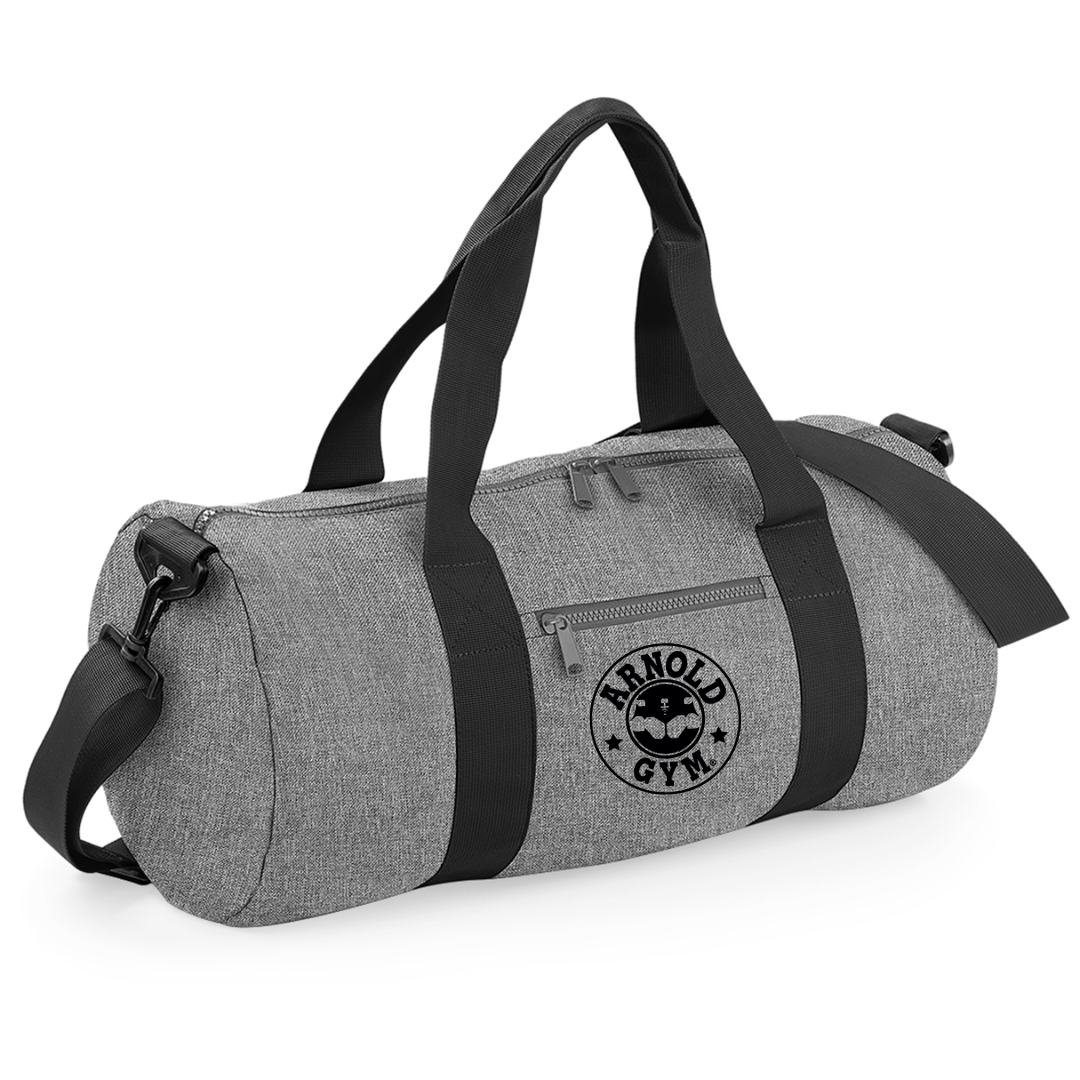
Pack all your essentials in a durable, winter-ready option like this cold-weather workout bag designed to carry extra layers and cold-weather accessories.

HIIT vs Strength — Which One Works Better in Cold Conditions?
Both HIIT and strength training can be highly effective in winter, but they respond differently to cold. Understanding how each style reacts to low temperatures helps you choose the right Winter Gym Clothes, optimise performance and stay safe. The right Training Clothes and smart layering make all the difference.
HIIT Advantages
- Quick heat generation
- Efficient winter fat-burning
- Short duration
- Less affected by low temperatures
Strength Training Advantages
- Better long-term muscle development
- Lower cardiac strain
- Requires more insulation and warm-up
- Ideal with proper layering
Final Verdict
Training in cold weather can elevate both physical and mental performance. Lower temperatures make your cardiovascular system work harder, strengthening heart function, while consistent exercise boosts immune defences against seasonal colds and flu. According to Aston University, outdoor winter workouts enhance resilience, improve circulation and offer mood-lifting benefits that you won’t gain by staying indoors.
Reference: Aston University
FAQs
Is HIIT safe in cold weather?
Yes, as long as you manage sweat and layering properly. Breathable fabrics prevent chilling during rest periods.
Why does strength training feel harder in cold environments?
Cold reduces muscle elasticity and slows neuromuscular activation, making muscles feel stiffer and heavier.
What should I wear for winter gym sessions?
A moisture-wicking base layer, long sleeve top, flexible joggers and a lightweight hooded layer are the ideal Training Clothes for cold-weather workouts.
