⚡ Quick Facts: Golden Era Nutrition
- Protein Rule: 1g – 1.5g per pound of bodyweight.
- Staple Foods: Steak, Eggs, Raw Milk, Tuna, Brown Rice.
- Key Supplements: Desiccated Liver Tablets & Brewers Yeast.
- Philosophy: Whole foods over processed chemicals.
Explore the nutritional principles and iconic golden era bodybuilding meals plan that fueled the champions of the 1970s. Discover expert insights, specific meal strategies, and the disciplined mindset tailored to the Golden Era’s training intensity. Uncover the time-tested diet plans that defined a generation of aesthetics and continue to inspire modern fitness enthusiasts. Elevate your understanding of effective nutrition for bodybuilding excellence.
The Golden Era of bodybuilding—roughly spanning the 1960s through the 1980s—was a time when aesthetics, symmetry, and classical proportions ruled the stage. Legends like Arnold Schwarzenegger, Frank Zane, Serge Nubret, and Franco Columbu didn’t just train with ferocity; they ate with purpose. Unlike the modern era, which often relies heavily on processed supplements and complex chemical enhancements, the Golden Era diet was rooted in whole, nutrient-dense foods. It was a time of “steak and eggs,” raw milk, and simple carbohydrates. To build a physique that echoes the gods of Venice Beach, one must understand the fuel that powered their workouts.
Unveiling the Golden Era Bodybuilding Meals & Diet Plans
Get ready to uncover the secrets behind their remarkable physiques and discover how their dietary approaches contributed to their success. The philosophy was simple: eat big to get big, but keep it clean to stay lean.
1. The Foundation of High-Protein Nutrition
The Golden Era bodybuilders understood that proper nutrition was the cornerstone of their progress. Protein was the non-negotiable king of their diet. The standard rule of thumb was widely accepted: 1 gram of protein per pound of body weight, though many pushed this to 1.5 grams during heavy training cycles.
They didn’t rely on whey isolate powders refined in a lab. Instead, they obtained their protein from high-quality, whole-food sources:
- Whole Eggs: Often eaten in large quantities (sometimes raw, a la Rocky, though cooked is better for absorption).
- Red Meat: Beef was a staple for its creatine and iron content. “Steak and Eggs” was a legendary breakfast combo.
- Poultry & Fish: Chicken breasts, turkey, and tuna were the go-to lean sources for cutting phases.
- Dairy: Cottage cheese and raw milk were prized for their casein content, providing a slow release of amino acids.
2. Complex Carbohydrates for Sustained Energy
To fuel their intense, high-volume workouts (often lasting two hours, twice a day), complex carbohydrates played a vital role. Unlike the keto-heavy trends of today, Golden Era athletes loved their carbs—but they chose them wisely.
They incorporated foods like brown rice, baked potatoes, sweet potatoes, and oatmeal into their meals. These slow-digesting carbohydrates provided sustained energy levels throughout the day, ensuring the muscle glycogen stores remained full for that coveted “pump” during training. Fruit was also consumed, often pre-workout, for a quick burst of natural sugar.
3. The Role of Healthy Fats
Contrary to common misconceptions that the 70s were “fat-phobic,” healthy fats were not eliminated from the diets of Golden Era bodybuilders. In fact, legendary trainer Vince Gironda famously advocated for high-fat diets tailored to hormone production.
They understood the importance of consuming fats from sources like nuts, avocados, olive oil, whole eggs, and fatty fish. These fats played a crucial role in testosterone production, joint health, and overall well-being. Without adequate fat intake, the body cannot synthesize the hormones required to build muscle tissue effectively.
You may need to read: Top 10 super foods for energy, performance and recovery
A Day in the Life: The Golden Era Meal Plan
To truly understand how these legends ate, let’s break down a typical day of eating for a bodybuilder in the mid-1970s. This “Bulking” approach focuses on high calories from clean sources.
Meal 1: The Breakfast of Champions
5 Whole Eggs (scrambled or poached), 150g of Ground Beef or a small Steak, and 1 cup of Oatmeal with berries. This provided a massive hit of protein and fats to jumpstart the metabolism.
Meal 2: Pre-Workout Fuel
Often consumed 90 minutes before training. 2 Chicken Breasts, 1 Baked Potato, and a handful of almonds. Some athletes would consume a mixture of fruit juice and honey immediately before hitting the gym for an insulin spike.
Meal 3: Post-Workout Recovery
Post-workout nutrition focused on rapid muscle recovery and growth. A protein shake (often milk and egg protein powder) mixed with whole milk, or a can of tuna with rice. The goal was to stop catabolism (muscle breakdown) immediately.

Meal 4 & 5: Sustaining Growth
Dinner would typically be a large serving of Fish or Steak with a green salad and a smaller portion of rice or pasta. The final meal of the day (Meal 6) often consisted of Cottage Cheese or a casein-rich shake to fuel the muscles during sleep.
Old School Supplementation & Discipline
Although the Golden Era was primarily focused on whole foods, bodybuilders utilized specific supplements to support their nutrition and performance goals. However, the supplement cabinet of 1975 looked very different from today.
- Desiccated Liver Tablets: The “secret weapon” of the era. Rich in B vitamins, iron, and amino acids, athletes would swallow handfuls of these throughout the day to keep energy high and blood quality optimal.
- Milk & Egg Protein: Before whey isolate became the standard, powders were made from milk and egg solids. They were thick, clumped easily, but were effective.
- Brewers Yeast: Used for its B-vitamin complex to assist in converting food into energy.
- Multivitamins: To cover any nutritional gaps caused by restrictive dieting.
Have you read, The Truth about BCAA?
Meal Frequency & Cheat Meals
Meal Frequency: Golden Era bodybuilders followed a frequent meal schedule to sustain energy levels and support muscle growth. They typically consumed five to six smaller meals throughout the day (every 2.5 to 3 hours), ensuring a steady supply of nutrients to fuel their bodies and optimize muscle protein synthesis.
Cheat Meals: While maintaining discipline was key, they recognized the importance of occasional indulgence. Cheat meals—often a burger and fries or a slice of pie on Sundays—were incorporated strategically to provide mental relief, replenish glycogen stores, and satisfy cravings to prevent binging.
Hydration and Recovery
Proper hydration was essential. They consumed ample water throughout the day to support overall health, digestion, and nutrient absorption. Additionally, they prioritized adequate rest. Many pros from this era would nap on the beach between their morning and evening workout sessions. Recovery was seen as part of the job.
You may need to read: Hydration Facts on Exercise
Achieving Fitness Goals the Old School Way
The Golden Era bodybuilders achieved their legendary physiques not only through intense training but also through meticulous attention to their diets. Their meal plans consisted of high-quality proteins, complex carbohydrates, healthy fats, and strategic supplementation. By following their footsteps, aspiring bodybuilders can unlock the potential to build a strong, well-rounded physique.
Remember, consistency and discipline are key. You don’t need fancy gadgets or miracle pills. You need real food, heavy iron, and the will to repeat the process day after day.
Note: Before making any significant changes to your diet, consult with a healthcare professional or a registered dietitian to ensure it aligns with your individual needs and health conditions.
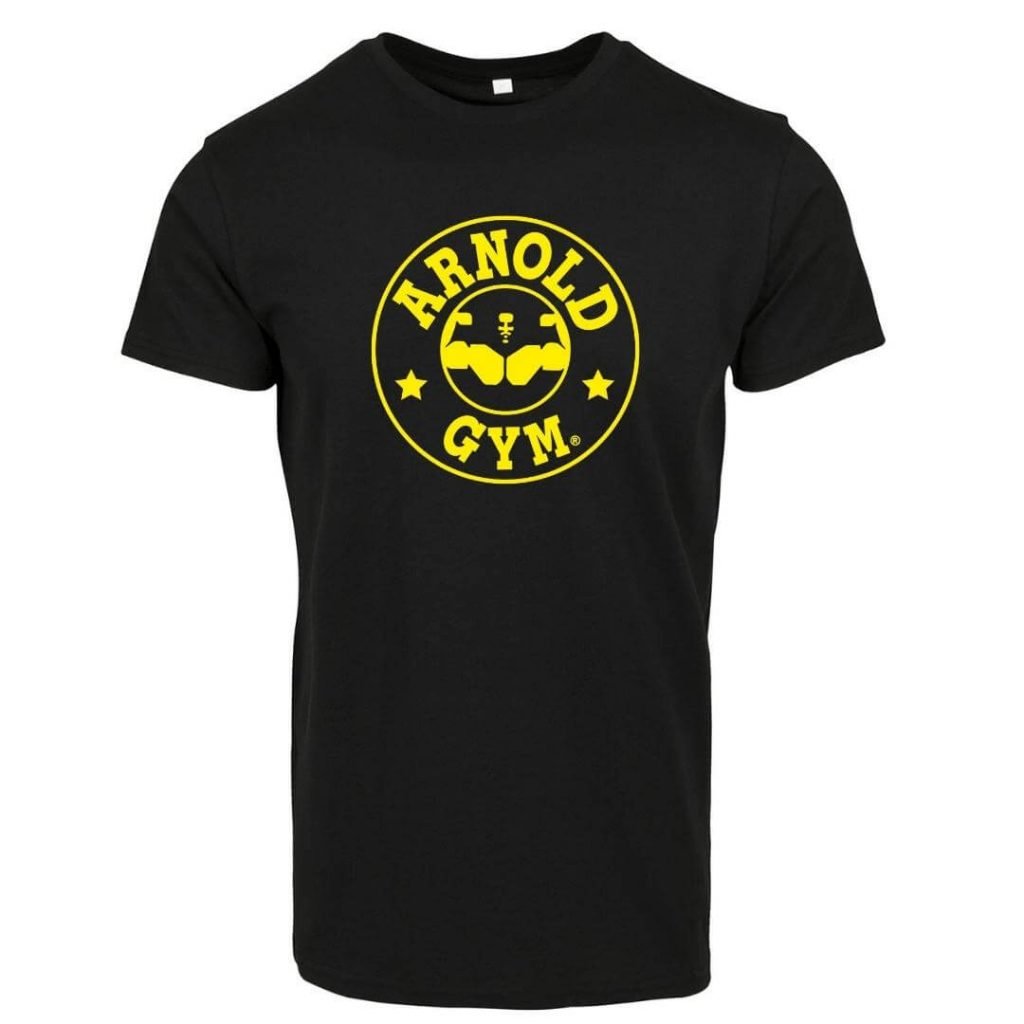

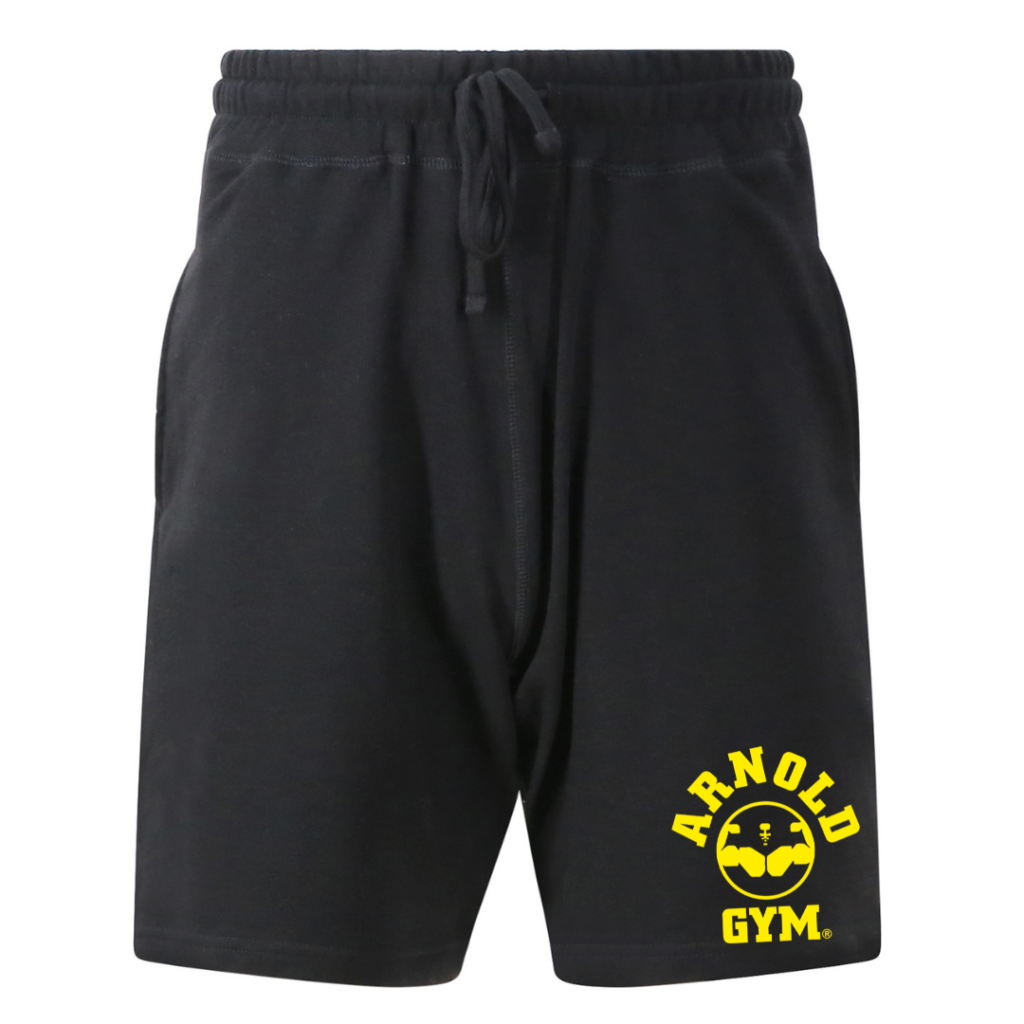
Embracing the Iconic Golden Era Bodybuilding Apparel
During the Golden Era of bodybuilding, the sport not only saw a revolution in nutrition but also made a lasting impact on gym fashion. The distinctive apparel choices from that period continue to inspire and captivate fitness enthusiasts today.
The Golden Era introduced a unique fashion sense that remains revered, making it a great source for those in search of the best gym wear for intense workouts. From the classic stringer tank tops that showcased the lats and serratus, to the boldness of high-cut short shorts that allowed for unrestricted leg training, the style was all about function meeting physique.
Golden Era bodybuilding apparel continues to inspire and influence gym-goers worldwide. By embracing the iconic styles of that era, we not only pay homage to the athletes who were pioneers in the sport but also fulfill the quest for gear that blends timeless style with modern functionality.
So, fasten your retro gym shorts, sport that classic tank top, and take on the spirit of the Golden Era as you pursue intense workouts with style and determination.